
ARRB Antibodies: Essential Research Tools for Studying β-Arrestin Signaling and GPCR Regulation
Introduction to ARRB Antibodies in Molecular Research
ARRB antibodies are specialized research antibodies designed to detect β-arrestin proteins, which play a central role in regulating G protein-coupled receptor (GPCR) signaling pathways. These proteins, encoded by the ARRB gene family, are important intracellular regulators that control receptor desensitization, receptor trafficking, and intracellular signaling processes.
Because GPCRs represent one of the largest and most studied receptor families in cellular biology, proteins involved in their regulation—such as β-arrestins—are of major interest in fields including cell signaling, molecular pharmacology, neurobiology, and receptor biology.
To investigate the expression, localization, and molecular interactions of β-arrestin proteins, researchers rely on ARRB antibodies, which enable sensitive and specific detection of these regulatory proteins in experimental systems.
Educational resources describing receptor signaling and molecular biology can be explored through the National Institutes of Health (NIH):
https://www.nih.gov/
Additional scientific literature on receptor signaling pathways is available through the National Center for Biotechnology Information (NCBI):
https://www.ncbi.nlm.nih.gov/
Comprehensive information about GPCR signaling can also be found through the National Institute of General Medical Sciences:
https://www.nigms.nih.gov/
What Is ARRB (β-Arrestin)?
ARRB refers to proteins belonging to the β-arrestin family, primarily β-arrestin 1 (ARRB1) and β-arrestin 2 (ARRB2). These proteins are intracellular adaptor molecules that regulate receptor signaling pathways following receptor activation.
β-arrestins were initially discovered as regulators of G protein-coupled receptor desensitization, a process that prevents prolonged receptor activation after ligand binding.
Scientific descriptions of receptor signaling pathways are available via the National Library of Medicine PubMed database:
https://pubmed.ncbi.nlm.nih.gov/
Detailed information about β-arrestin genes can also be explored through the National Human Genome Research Institute:
https://www.genome.gov/
Additional receptor biology resources are provided by the University of California San Diego School of Medicine:
https://medschool.ucsd.edu/

Structure and Function of β-Arrestin Proteins
β-arrestins are multifunctional adaptor proteins that interact with numerous signaling molecules inside cells. Their structure enables them to bind activated receptors and recruit additional signaling partners.
Key structural and functional characteristics include:
-
Interaction with activated GPCR receptors
-
Regulation of receptor internalization and trafficking
-
Participation in intracellular signaling cascades
-
Interaction with scaffolding proteins
High-resolution protein structural information is available through the Protein Data Bank (PDB) maintained by research institutions:
https://www.rcsb.org/
Educational structural biology resources are also available through the Harvard University Department of Molecular and Cellular Biology:
https://mcb.harvard.edu/
Further research information on protein signaling pathways can be explored through the National Institute of General Medical Sciences Structural Biology program:
https://www.nigms.nih.gov/
The ARRB Gene Family
Two main genes encode β-arrestin proteins:
ARRB1 (Beta Arrestin 1)
ARRB1 is expressed in many tissues and plays a role in receptor regulation and signaling pathway modulation.
ARRB2 (Beta Arrestin 2)
ARRB2 is often associated with receptor internalization and has been widely studied in GPCR signaling pathways.
Genomic information about ARRB genes can be accessed through the NCBI Gene database:
https://www.ncbi.nlm.nih.gov/gene/
Additional gene annotation resources are available through the European Bioinformatics Institute (EMBL-EBI):
https://www.ebi.ac.uk/
The Human Protein Atlas project also provides information about protein expression patterns:
https://www.proteinatlas.org/
ARRB Antibodies in Scientific Research
ARRB antibodies allow researchers to study β-arrestin proteins in a variety of biological systems and experimental models.
Common research applications include:
-
Detection of β-arrestin proteins in cell lysates
-
Localization of ARRB proteins within cells
-
Analysis of receptor signaling pathways
-
Investigation of protein-protein interactions
These antibodies are commonly used in experimental techniques such as:
-
Western blotting
-
Immunohistochemistry (IHC)
-
Immunofluorescence (IF)
-
Immunoprecipitation (IP)
-
ELISA assays
-
Flow cytometry
Educational laboratory protocol resources can be found at Cold Spring Harbor Laboratory:
https://www.cshl.edu/
Additional experimental biology resources are available through the University of Wisconsin Biotechnology Center:
https://www.biotech.wisc.edu/
Types of ARRB Antibodies
Polyclonal ARRB Antibodies
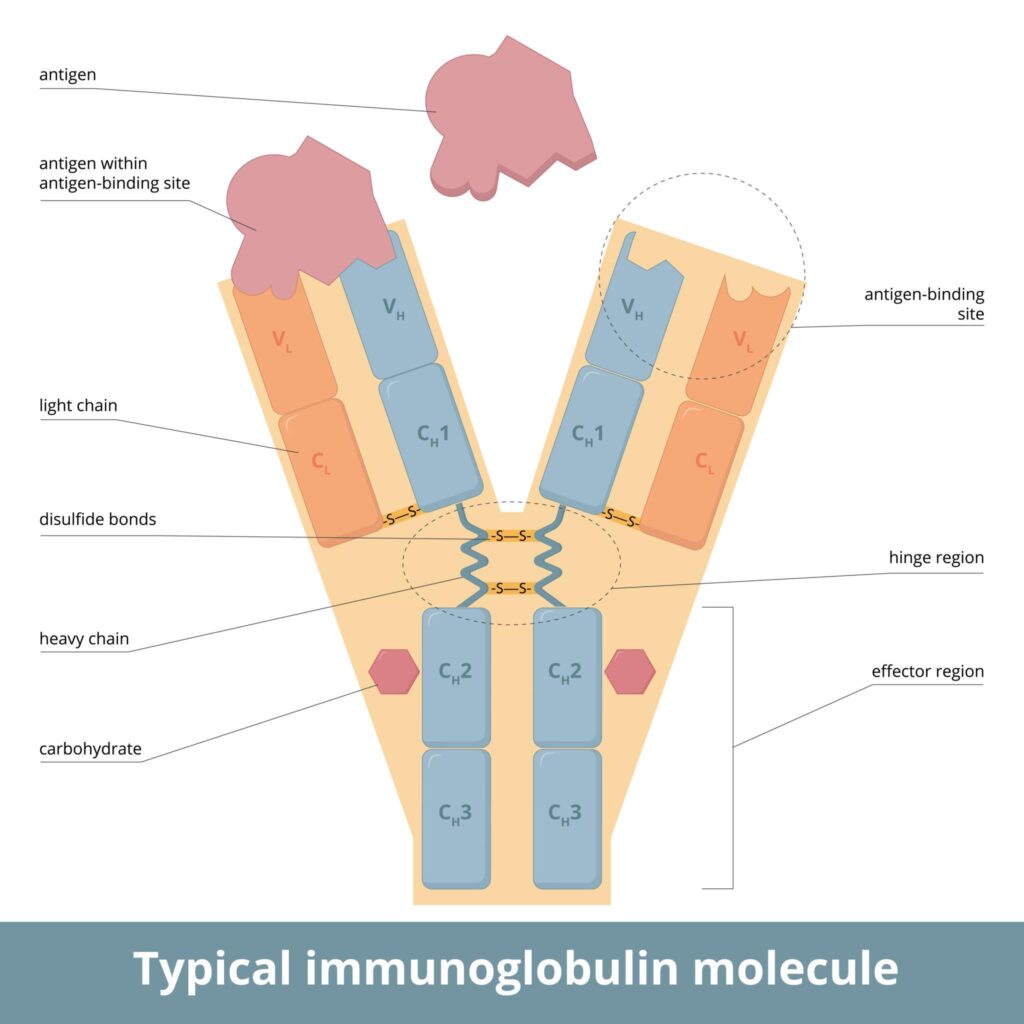
Polyclonal antibodies are produced from multiple immune cell clones and recognize several epitopes on the β-arrestin protein.
Advantages include:
-
Strong signal detection
-
Broad epitope recognition
-
High sensitivity
Educational explanations of antibody production can be found through the Iowa State University Biotechnology Program:
https://www.biotech.iastate.edu/
Monoclonal ARRB Antibodies
Monoclonal antibodies originate from a single immune cell clone and recognize one specific epitope on the β-arrestin protein.
Benefits include:
-
High specificity
-
Experimental reproducibility
-
Consistent antibody batches
The development of monoclonal antibody technology is documented by the Nobel Prize Foundation:
https://www.nobelprize.org/
Additional educational resources on hybridoma technology are available through Stanford University School of Medicine:
https://med.stanford.edu/
Recombinant ARRB Antibodies
Recombinant antibodies are generated through molecular cloning techniques, enabling precise antibody design.
Advantages include:
-
Defined genetic sequence
-
High batch consistency
-
Advanced engineering possibilities
Protein engineering principles are described in educational materials from MIT OpenCourseWare:
https://ocw.mit.edu/
Research initiatives in protein engineering are also supported by the National Science Foundation:
https://www.nsf.gov/
Experimental Applications of ARRB Antibodies
Western Blot Analysis
Western blotting is widely used to detect β-arrestin proteins after protein separation by electrophoresis.
Typical workflow includes:
-
Protein extraction
-
SDS-PAGE separation
-
Membrane transfer
-
Antibody detection
Laboratory electrophoresis resources are available through the National Institute of Biomedical Imaging and Bioengineering:
https://www.nibib.nih.gov/
Immunofluorescence Imaging
Immunofluorescence allows visualization of ARRB protein localization within cells using fluorescent antibodies.
Applications include:
-
Subcellular localization studies
-
Protein trafficking analysis
-
Cellular signaling research
Microscopy resources are available via the National Cancer Institute imaging program:
https://www.cancer.gov/
Advanced imaging education is also available through the University of Arizona Imaging Core Facility:
https://imaging.arizona.edu/
Immunohistochemistry (IHC)
Immunohistochemistry enables detection of ARRB proteins directly in tissue sections.
Applications include:
-
Tissue expression analysis
-
Cellular localization studies
-
Comparative expression mapping
Histology resources are provided by Yale School of Medicine:
https://medicine.yale.edu/
Immunoprecipitation
Immunoprecipitation allows the isolation of ARRB proteins and associated signaling complexes from biological samples.
This technique supports research on:
-
Protein interaction networks
-
Signal transduction pathways
-
Receptor regulation mechanisms
Educational laboratory resources are available via Cold Spring Harbor Laboratory:
https://www.cshl.edu/
![AffiAB® Anti-14-3-3 alpha+beta Antibody [SD0837]](https://affigen.com/cdn/shop/files/affiab-affigen_fb6a6838-fab5-4142-9bac-92e8001e1f5e_535x.png?v=1704622614)
ARRB Proteins in Cellular Signaling Research
β-arrestin proteins participate in multiple intracellular signaling pathways. Their roles extend beyond receptor desensitization and include scaffolding functions that regulate complex signaling cascades.
ARRB proteins interact with:
-
MAP kinase pathways
-
GPCR signaling complexes
-
Receptor internalization systems
-
Cellular trafficking machinery
Large-scale signaling pathway databases can be explored through the NIH Proteomics Program:
https://commonfund.nih.gov/proteomics
Additional signaling pathway resources are available through Reactome Pathway Database maintained by research institutions:
https://reactome.org/
Selecting ARRB Antibodies for Research
When selecting ARRB antibodies for experimental studies, researchers typically consider several key factors.
Specificity
The antibody should bind selectively to the target β-arrestin protein with minimal cross-reactivity.
Protein annotation resources are available through the European Bioinformatics Institute:
https://www.ebi.ac.uk/
Affinity
High-affinity antibodies improve signal detection in biochemical assays.
Protein interaction principles are described by the National Institute of General Medical Sciences:
https://www.nigms.nih.gov/
Reproducibility
Reliable antibodies enable consistent experimental results across laboratories.
Scientific reproducibility initiatives are discussed by the National Science Foundation:
https://www.nsf.gov/
ARRB Antibodies as Tools for GPCR Signaling Research
ARRB antibodies are valuable reagents for investigating β-arrestin-mediated receptor regulation and intracellular signaling. These antibodies support a wide range of experimental techniques used to explore receptor biology, protein trafficking, and molecular signaling pathways.
Because GPCR signaling systems regulate numerous physiological processes, ARRB proteins continue to be an important focus of molecular research.
As technologies in protein engineering, proteomics, and molecular detection continue to evolve, ARRB antibodies will remain essential tools supporting scientific investigation of cellular signaling mechanisms.