
Advanced Tools for Oxidative DNA Damage Research and Molecular Biology Studies
Introduction
In modern molecular biology, understanding how reactive oxygen species (ROS) interact with nucleic acids is an important area of research. One of the most widely studied molecular indicators of oxidative DNA modification is 8-hydroxy-2′-deoxyguanosine (8-OHdG).
Scientists frequently monitor this molecule when studying oxidative DNA damage, cellular metabolism, environmental stress responses, and genome stability. Reliable detection of this biomarker is commonly achieved using 8-OHdG ELISA Kits, which provide sensitive immunoassay-based quantification of oxidized DNA nucleosides.
The importance of oxidative DNA modifications and cellular oxidative stress is described in numerous academic and government research resources such as the National Institutes of Health (https://www.nih.gov/), the National Institute of Environmental Health Sciences (https://www.niehs.nih.gov/), and the National Center for Biotechnology Information (https://www.ncbi.nlm.nih.gov/).
Through enzyme-linked immunosorbent assay (ELISA) technology, researchers can measure 8-OHdG concentrations in a wide variety of biological samples, enabling detailed analysis of DNA oxidation events.
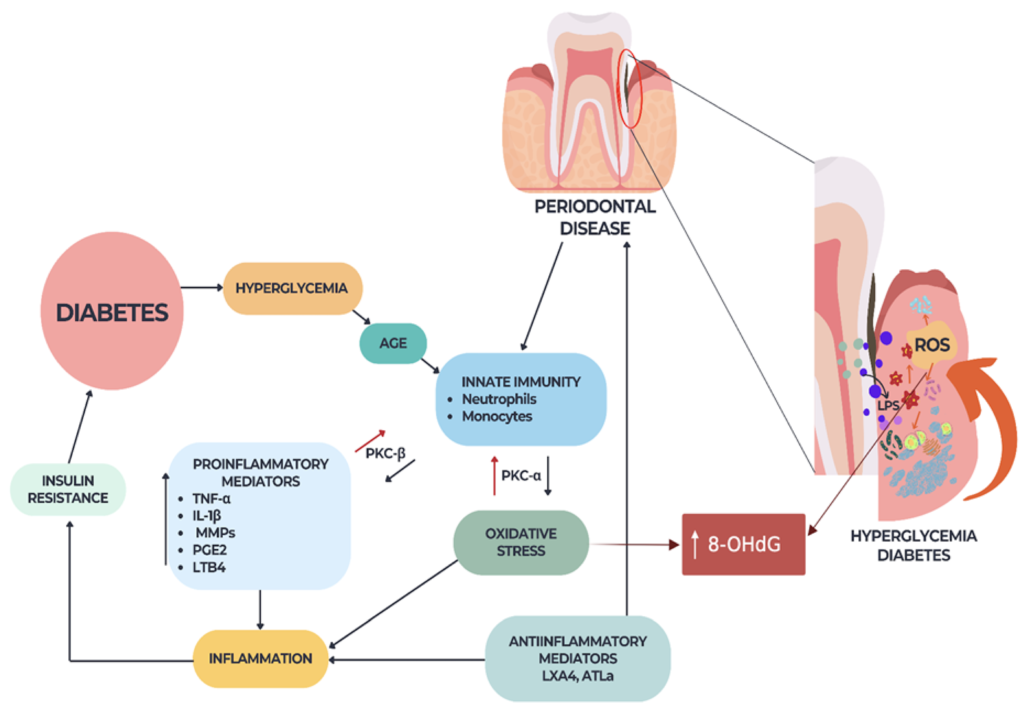
What is 8-Hydroxy-2′-Deoxyguanosine (8-OHdG)?
8-OHdG is a modified nucleoside generated when guanine bases in DNA undergo oxidative modification. Reactive oxygen species produced during cellular metabolism or environmental exposure may interact with nucleic acids and create oxidized DNA bases.
Among the various oxidative DNA lesions, 8-OHdG is considered one of the most stable and widely studied markers.
Educational resources discussing oxidative DNA modification include:
-
National Library of Medicine – DNA damage research
https://www.ncbi.nlm.nih.gov/books/NBK26850/ -
National Human Genome Research Institute – DNA structure and stability
https://www.genome.gov/genetics-glossary/DNA -
Harvard University Molecular Biology resources
https://mcb.harvard.edu/ -
Stanford University Genetics Department
https://med.stanford.edu/genetics.html
When oxidative damage occurs, DNA repair mechanisms remove oxidized bases through pathways such as base excision repair (BER). Information about DNA repair pathways can be found through:
-
National Institutes of Health DNA repair overview
https://www.genome.gov/genetics-glossary/DNA-repair -
National Institute of General Medical Sciences
https://www.nigms.nih.gov/ -
National Cancer Institute molecular biology resources
https://www.cancer.gov/
Because oxidized nucleosides can accumulate in biological samples, researchers often quantify 8-OHdG as a biochemical indicator of oxidative DNA modification.
ELISA Technology for 8-OHdG Detection
The enzyme-linked immunosorbent assay (ELISA) is one of the most widely used laboratory techniques for detecting specific molecules using antibody-based recognition.
Educational explanations of ELISA methods are available from several academic institutions:
-
University of California immunology resources
https://immunology.ucsf.edu/ -
Open educational microbiology resources
https://openstax.org/details/books/microbiology -
National Institute of Allergy and Infectious Diseases research programs
https://www.niaid.nih.gov/
8-OHdG ELISA kits use high-affinity antibodies that recognize the oxidized nucleoside, allowing sensitive measurement of this biomarker in biological samples.
The assay is typically performed in a 96-well microplate format, making it suitable for both small-scale experiments and high-throughput research workflows.

Scientific Principle of 8-OHdG ELISA Kits
Most commercially available 8-OHdG ELISA assays use a competitive immunoassay format.
In this format:
-
Microplate wells are coated with an 8-OHdG antigen conjugate.
-
Biological samples containing free 8-OHdG molecules are added.
-
A specific antibody binds either the coated antigen or the sample antigen.
-
Enzyme-labeled detection antibodies produce a colorimetric signal.
-
The signal intensity is inversely proportional to the amount of 8-OHdG present.
Detailed descriptions of immunoassay mechanisms are available through educational resources such as:
-
National Library of Medicine laboratory techniques database
https://www.ncbi.nlm.nih.gov/ -
U.S. Food and Drug Administration laboratory science resources
https://www.fda.gov/science-research -
Centers for Disease Control laboratory science pages
https://www.cdc.gov/labs/
Absorbance is typically measured using a microplate reader, and concentrations are calculated based on a standard calibration curve.
Biological Samples Used for 8-OHdG Measurement
A key advantage of 8-OHdG ELISA kits is their compatibility with many biological sample types.
Commonly analyzed materials include:
• urine samples
• plasma samples
• serum samples
• cell culture supernatants
• tissue homogenates
• purified DNA extracts
• cellular lysates
Researchers often analyze urinary 8-OHdG because oxidized nucleosides generated during DNA repair processes can be released and subsequently excreted.
Scientific literature describing nucleoside metabolism and DNA repair pathways can be explored through:
-
National Library of Medicine biomedical publications
https://pubmed.ncbi.nlm.nih.gov/ -
National Institute on Aging molecular biology research
https://www.nia.nih.gov/ -
University of Washington Department of Genome Sciences
https://www.gs.washington.edu/
Research Applications of 8-OHdG ELISA Kits
Because oxidative DNA modification plays a role in many biological processes, 8-OHdG ELISA assays are widely used across multiple research disciplines.
1. Oxidative Stress Research
Reactive oxygen species are naturally generated during cellular respiration and metabolic reactions.
When ROS levels increase, they may interact with nucleic acids and proteins, leading to oxidative modifications.
Background on oxidative stress research can be explored through:
-
National Institute of Environmental Health Sciences
https://www.niehs.nih.gov/health/topics/agents/oxidative/index.cfm -
University of California Berkeley molecular toxicology program
https://moleculartoxicology.berkeley.edu/ -
National Institute of General Medical Sciences cell biology resources
https://www.nigms.nih.gov/education
2. Environmental and Toxicological Research
Environmental exposure to radiation, pollutants, and chemical agents may influence oxidative DNA modifications.
Scientists often analyze 8-OHdG levels when studying environmental molecular biology models.
Resources describing environmental biology research include:
-
U.S. Environmental Protection Agency research programs
https://www.epa.gov/research -
National Institute of Environmental Health Sciences environmental biology resources
https://www.niehs.nih.gov/ -
University of Michigan Environmental Health Sciences
https://sph.umich.edu/ehs/
3. Molecular Biology and Genome Stability Studies
DNA integrity and genome stability are fundamental topics in molecular biology research.
Oxidized nucleosides such as 8-OHdG are often evaluated when studying DNA damage and repair pathways.
Educational resources discussing genome stability include:
-
National Human Genome Research Institute
https://www.genome.gov/ -
Massachusetts Institute of Technology Biology Department
https://biology.mit.edu/ -
Cold Spring Harbor Laboratory DNA research programs
https://www.cshl.edu/
4. Cellular Metabolism and Aging Research
Oxidative DNA modifications are also investigated in studies of cellular metabolism and biological aging models.
Scientific background on aging biology is available from:
-
National Institute on Aging
https://www.nia.nih.gov/ -
University of California Aging Research Center
https://aging.ucsf.edu/ -
National Institute of General Medical Sciences cell metabolism research
https://www.nigms.nih.gov/
Advantages of 8-OHdG ELISA Kits
Researchers choose ELISA-based detection systems because they provide multiple technical advantages.
High Sensitivity
Antibody-based detection allows accurate measurement of low concentrations of oxidized nucleosides.
Quantitative Results
Standard curves provide reliable quantification of 8-OHdG concentration levels.
High Throughput
Microplate-based assays allow simultaneous analysis of many samples.
Reproducibility
Validated antibodies and optimized reagents support consistent assay performance.
Broad Sample Compatibility
ELISA assays can be used with diverse biological matrices, including biological fluids and DNA extracts.
Typical Workflow for an 8-OHdG ELISA Experiment
Although protocols may vary slightly between manufacturers, a typical workflow includes:
-
Preparation of standards and samples
-
Addition of samples to antigen-coated microplate wells
-
Incubation with anti-8-OHdG antibodies
-
Washing steps to remove unbound reagents
-
Addition of enzyme-conjugated secondary antibody
-
Substrate reaction for color development
-
Absorbance measurement using a microplate reader
-
Data analysis using standard curves
Laboratory techniques related to ELISA and microplate analysis are explained in academic resources such as:
-
National Institutes of Health laboratory training materials
https://www.nih.gov/research-training -
University of Wisconsin Biotechnology Center
https://www.biotech.wisc.edu/ -
National Library of Medicine biomedical research databases
https://www.ncbi.nlm.nih.gov/
Integration with Molecular Biology Techniques
In many laboratories, 8-OHdG ELISA assays are combined with additional molecular biology techniques to investigate cellular processes.
Examples include:
• PCR and quantitative PCR experiments
• DNA extraction workflows
• transcriptomics studies
• oxidative stress assays
• protein expression analysis
Educational resources describing molecular biology techniques include:
-
National Human Genome Research Institute genomics education
https://www.genome.gov/about-genomics/fact-sheets -
University of Utah Genetic Science Learning Center
https://learn.genetics.utah.edu/ -
National Institutes of Health genomic research resources
https://www.nih.gov/
Conclusion
8-OHdG ELISA Kits provide reliable tools for detecting oxidized DNA nucleosides and studying oxidative DNA modifications in biological systems.
By enabling sensitive quantification of 8-hydroxy-2′-deoxyguanosine, these assays support a wide range of molecular biology investigations related to oxidative stress, environmental biology, genome stability, and cellular metabolism.
Thanks to their high sensitivity, reproducibility, and compatibility with diverse sample types, ELISA-based detection systems remain essential tools for researchers studying DNA oxidation and molecular responses to oxidative environments.
As research technologies continue to evolve, 8-OHdG ELISA assays will remain valuable analytical tools for exploring oxidative DNA biology and molecular cellular processes.