
Comprehensive Scientific Guide to Oxidative DNA Damage Detection in Research Laboratories
Introduction: Understanding 8-OHdG in Molecular and Cellular Research
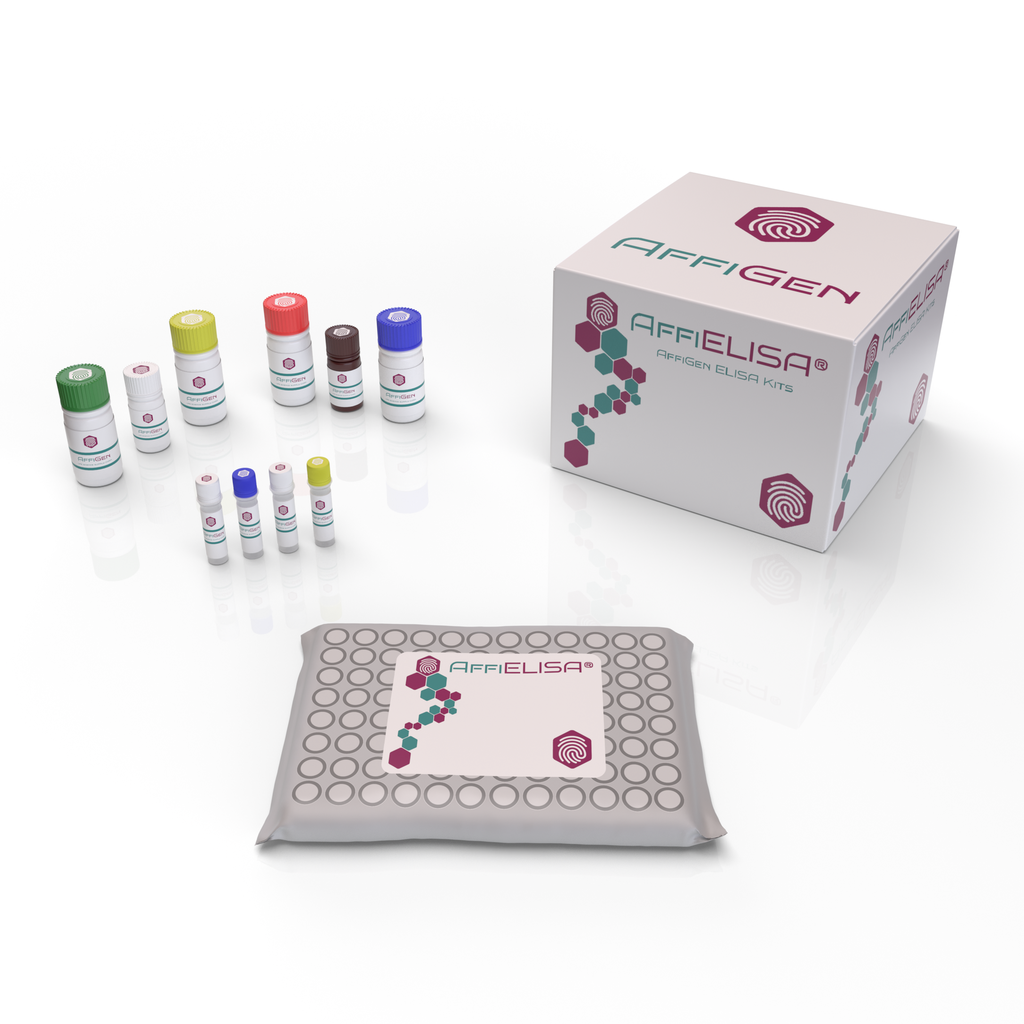
8-OHdG ELISA Kits are widely used laboratory tools for the quantitative detection of oxidative DNA damage. 8-Hydroxy-2′-deoxyguanosine (8-OHdG, also referred to as 8-oxo-dG) is one of the most extensively studied biomarkers of oxidative stress–induced DNA damage, making it a cornerstone analyte in molecular biology, toxicology, neuroscience, aging research, and environmental health studies.
The biological significance of oxidative DNA damage and 8-OHdG formation has been documented in decades of publicly funded research supported by the National Institutes of Health (NIH)
https://www.nih.gov
and curated through the National Center for Biotechnology Information (NCBI)
https://www.ncbi.nlm.nih.gov.
This article provides a deep, research-oriented overview of 8-OHdG biology, assay principles, and laboratory applications, with a strong focus on ELISA-based detection methods used in academic and industrial research settings.
What Is 8-OHdG? A Molecular Perspective
Formation of Oxidative DNA Damage
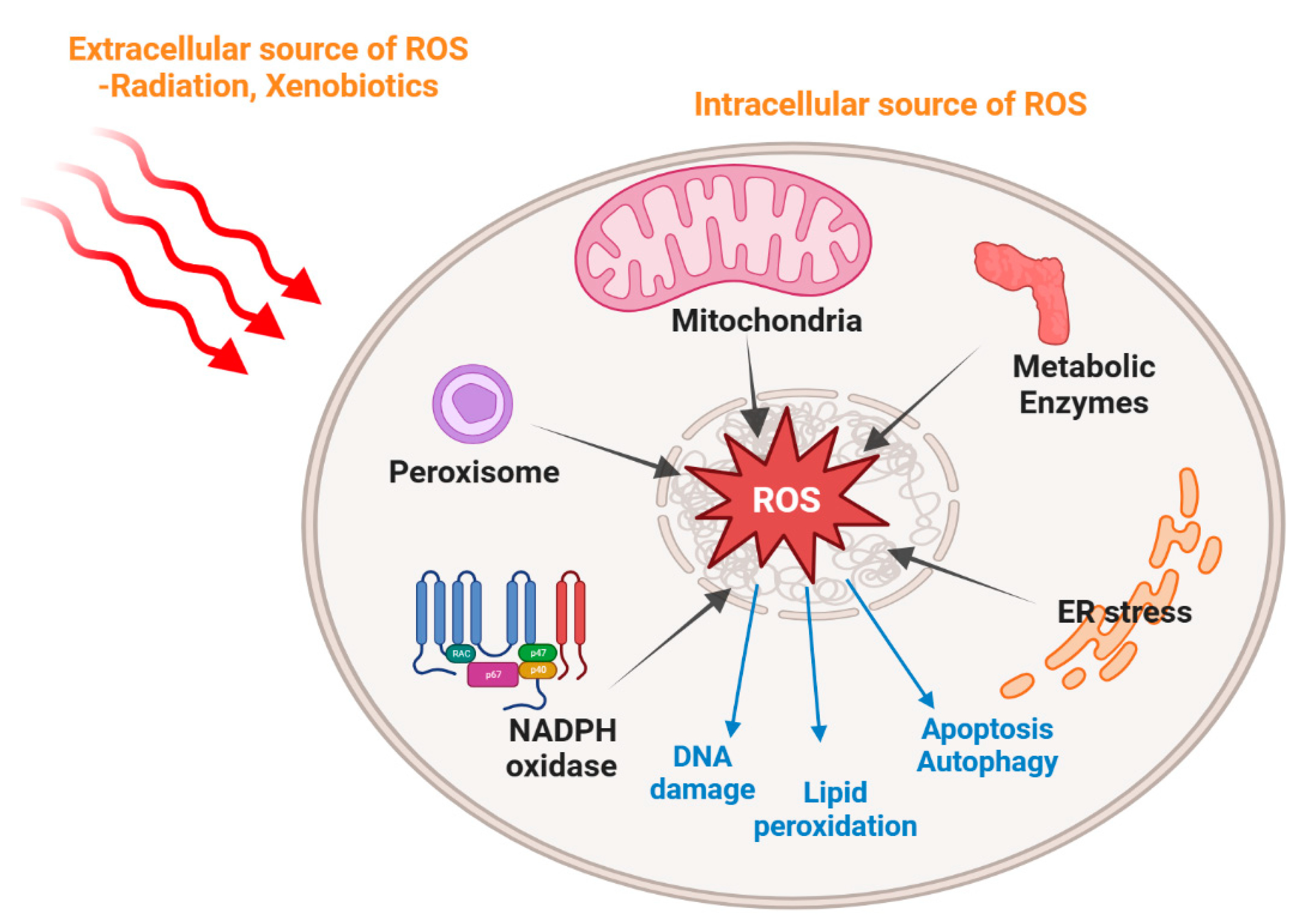
Reactive oxygen species (ROS) such as hydroxyl radicals, superoxide anions, and hydrogen peroxide can attack DNA bases, leading to oxidative modifications. Guanine is particularly susceptible due to its low redox potential. Detailed descriptions of ROS-mediated DNA damage mechanisms are available via NIH Bookshelf
https://www.ncbi.nlm.nih.gov/books
and National Library of Medicine (NLM) educational resources
https://www.nlm.nih.gov.
The oxidation of deoxyguanosine results in 8-hydroxy-2′-deoxyguanosine, a lesion that can be excised during DNA repair and released into biological fluids.
Biological Relevance of 8-OHdG
8-OHdG is widely used as a quantitative biomarker of oxidative stress in:
-
Cellular DNA extracts
-
Serum and plasma
-
Urine
-
Tissue lysates
Its biological relevance is extensively reviewed in peer-reviewed literature indexed by PubMed (U.S. National Library of Medicine)
https://pubmed.ncbi.nlm.nih.gov
and summarized in toxicology and environmental health resources from the National Institute of Environmental Health Sciences (NIEHS)
https://www.niehs.nih.gov.
Oxidative Stress and DNA Repair Pathways
DNA Base Excision Repair (BER)
8-OHdG lesions are primarily repaired via the base excision repair (BER) pathway. Educational overviews of DNA repair mechanisms are provided by the National Human Genome Research Institute (NHGRI)
https://www.genome.gov
and NIH Molecular Biology primers
https://www.ncbi.nlm.nih.gov/pmc.
Cellular Consequences of Oxidative DNA Damage
If unrepaired, oxidative lesions may interfere with DNA replication and transcription. Cellular responses to oxidative stress are a major research focus described by:
-
National Cancer Institute (NCI)
https://www.cancer.gov -
NIH Research Matters – Cellular Stress
https://www.nih.gov/news-events/nih-research-matters

Principle of 8-OHdG ELISA Kits
ELISA-Based Quantification
8-OHdG ELISA Kits typically rely on competitive or sandwich immunoassay formats to quantify 8-OHdG levels in biological samples. General ELISA methodology is described in NIH laboratory technique resources
https://www.ncbi.nlm.nih.gov/protocols
and NLM educational guides
https://www.nlm.nih.gov/education.
Advantages of ELISA for Oxidative Stress Research
ELISA-based detection offers:
-
High sensitivity and specificity
-
Quantitative, reproducible results
-
Compatibility with high-throughput workflows
Comparisons of immunoassay techniques are discussed in NIH BioAssay resources
https://pubchem.ncbi.nlm.nih.gov.
Why Use 8-OHdG ELISA Kits in Research?
Standardization and Reproducibility
Quantifying oxidative DNA damage requires consistent assay performance. Reproducibility in biomarker research is emphasized by the NIH Office of Research Integrity
https://ori.hhs.gov.
ELISA kits provide standardized reagents and protocols that help minimize inter-assay variability.
Broad Sample Compatibility
8-OHdG ELISA Kits are commonly validated for:
-
Cell and tissue DNA extracts
-
Serum and plasma samples
-
Urine samples for systemic oxidative stress assessment
Guidelines for biomarker analysis in biological matrices are discussed by the Centers for Disease Control and Prevention (CDC)
https://www.cdc.gov.
Core Laboratory Applications
Oxidative Stress Research
8-OHdG ELISA Kits are central to oxidative stress studies investigating:
-
ROS-induced DNA damage
-
Antioxidant defense mechanisms
-
Cellular stress responses
Educational content on oxidative stress biology is provided by the National Institute on Aging (NIA)
https://www.nia.nih.gov
and NIH Aging Research portals
https://www.nia.nih.gov/research.
Toxicology and Environmental Exposure Studies
8-OHdG is widely used as a biomarker in:
-
Chemical exposure studies
-
Environmental toxicology models
-
Occupational health research
These applications are highlighted by the Agency for Toxic Substances and Disease Registry (ATSDR)
https://www.atsdr.cdc.gov
and NIEHS environmental health resources
https://www.niehs.nih.gov.
Applications in Neuroscience and Aging Research
Oxidative DNA damage is a major area of investigation in neuroscience and aging models. Research frameworks are described by:
-
National Institute of Neurological Disorders and Stroke (NINDS)
https://www.ninds.nih.gov -
National Institute on Aging (NIA)
https://www.nia.nih.gov
8-OHdG ELISA Kits enable quantitative assessment of DNA oxidation in brain tissue and neuronal cell models.
Role in Metabolic and Cellular Stress Studies
Cellular metabolism and mitochondrial activity are closely linked to ROS production. Metabolic stress pathways are reviewed by the National Institute of Diabetes and Digestive and Kidney Diseases (NIDDK)
https://www.niddk.nih.gov
and NIH Metabolic Research initiatives
https://www.nih.gov/research-training.
Translational and Preclinical Research Value
Standardized oxidative stress biomarkers are essential in translational research, as emphasized by the National Center for Advancing Translational Sciences (NCATS)
https://ncats.nih.gov.
8-OHdG ELISA Kits support:
-
Biomarker validation studies
-
Longitudinal oxidative stress monitoring
-
Cross-study data comparability
Sample Handling and Experimental Considerations
Proper sample handling is critical for accurate 8-OHdG quantification. General laboratory best practices are outlined by:
-
NIH Laboratory Safety Guidelines
https://www.nih.gov/health-information/lab-safety -
CDC Biosafety Resources
https://www.cdc.gov/biosafety
Avoiding artificial oxidation during sample preparation is essential for reliable results.
Educational Value and Public Research Resources
The scientific foundation of 8-OHdG as a biomarker is supported by open-access data from:
This transparency makes 8-OHdG ELISA Kits particularly valuable for academic teaching laboratories and reproducible research environments.
Conclusion
8-OHdG ELISA Kits are indispensable tools for the quantitative assessment of oxidative DNA damage across a broad range of life-science research fields. By enabling sensitive, reproducible measurement of a well-validated oxidative stress biomarker, these kits support cellular, molecular, environmental, and translational research.
Grounded in decades of publicly funded research from institutions such as the NIH, NIEHS, NCI, and CDC, 8-OHdG ELISA assays provide researchers with a scientifically robust and experimentally reliable approach to studying oxidative stress and DNA integrity in modern laboratory systems.